
At Revitalize Wellness Center, we know that a diagnosis of schizophrenia can feel overwhelming, but with the right support and treatment, healing and stability are possible. We’ll break down the different types of schizophrenia and related disorders, explain their symptoms, and share how personalized treatment can help individuals manage their condition and move forward with hope.
What is Schizophrenia?
Schizophrenia is a serious mental health condition that affects how a person thinks, feels, and perceives reality. People living with schizophrenia often experience symptoms such as hallucinations, delusions, disorganized speech, and difficulty with emotional regulation. These symptoms can interfere with relationships, work, school, and daily functioning.
While schizophrenia is considered a chronic condition, it is also highly treatable. With early intervention, medication, therapy, and supportive services, individuals can manage symptoms and live meaningful, fulfilling lives. Importantly, schizophrenia is not the same for everyone. Its symptoms, severity, and impact can vary widely, which is why personalized treatment is so important.
The Science Behind Schizophrenia
Researchers have studied schizophrenia for decades, and while the exact causes are not fully understood, science shows that a combination of genetic, biological, and environmental factors influences it.
- Brain Chemistry and Structure. Schizophrenia is linked to imbalances in neurotransmitters such as dopamine and glutamate. Brain imaging studies also show subtle differences in brain structure that may contribute to psychotic symptoms.
- Genetics. While no single gene causes schizophrenia, research suggests that a combination of inherited traits may increase risk, especially when combined with environmental stressors.
- Trauma and Environment. Experiences such as childhood trauma, verbal abuse, or chronic stress can contribute to the development or worsening of symptoms.
- Stress Response. Many people with schizophrenia show heightened sensitivity to stressful events. This is connected to the body’s fight-or-flight response, which can become overactive and trigger or intensify symptoms.
Clinicians use the DSM-5 diagnostic criteria to guide a PTSD diagnosis and schizophrenia diagnosis, ensuring that treatment plans address both the psychotic features and any co-occurring mental health conditions such as anxiety disorders, depression, or substance use disorder.
Types of Schizophrenia and the Schizophrenia Spectrum
Schizophrenia is not a single condition; it’s part of a spectrum of mental disorders that can present in very different ways depending on a person’s symptoms.
The types of schizophrenia once listed as separate diagnoses are now grouped under the umbrella of the schizophrenia spectrum, but many mental health professionals still use these terms to describe different symptoms and patterns of the disorder.
Understanding the spectrum can help people with schizophrenia, their families, and providers create more effective, personalized treatment plans.
Paranoid Schizophrenia
Often recognized by delusions, false beliefs, and hearing voices, paranoid schizophrenia highlights some of the more prominent positive symptoms of schizophrenia. These psychotic features may include hallucinations or unusual perceptions that can lead to fear or social withdrawal. Although no longer considered a separate diagnosis, the term remains useful for describing cases where these symptoms dominate.
Disorganized Schizophrenia (Hebephrenic Schizophrenia)
Also called hebephrenic schizophrenia, this form is marked by disorganized speech, disorganized thinking, and inappropriate affect, such as mismatched emotions or laughing at situations unrelated to reality. People with this type may struggle to maintain relationships or daily responsibilities, underscoring how schizophrenia affects both thought and behavior.
Catatonic Schizophrenia
Catatonic schizophrenia is defined by disruptions in movement. Individuals may adopt unusual or rigid postures, resist instructions, or alternate between complete stillness and bursts of unexpected activity. These symptoms show how schizophrenia symptoms can extend beyond thought and mood to impact physical behavior as well.
Residual Schizophrenia
When major psychotic episodes decrease but residual symptoms remain, the condition may be described as residual schizophrenia. People may not experience hallucinations or delusions, but negative symptoms such as social withdrawal, flat facial expressions, or lack of motivation often persist. Even though milder, this form can still greatly affect a person’s quality of life.
Schizoaffective Disorder
Schizoaffective disorder combines symptoms of schizophrenia with a mood disorder, such as bipolar disorder or major depression. People may experience psychotic episodes alongside depressive or manic symptoms. Because it spans both psychotic and mood-related challenges, this diagnosis requires careful evaluation over time by a mental health professional to treat schizophrenia and related conditions effectively.
Schizophreniform Disorder and Other Related Disorders
Schizophreniform disorder presents with the same schizophrenia symptoms but lasts less than six months. Other related conditions on the spectrum include schizotypal personality disorder and undifferentiated schizophrenia, where symptoms don’t fall neatly into one category. These related disorders are sometimes complicated by substance use, making accurate diagnosis and treatment essential.
At Revitalize Wellness Center, we understand that every individual’s journey looks different. Whether you’re living with residual schizophrenia, schizoaffective disorder, or undifferentiated schizophrenia, our team is here to help you treat schizophrenia with compassion, evidence-based therapies, and structured programs designed to meet your unique needs.
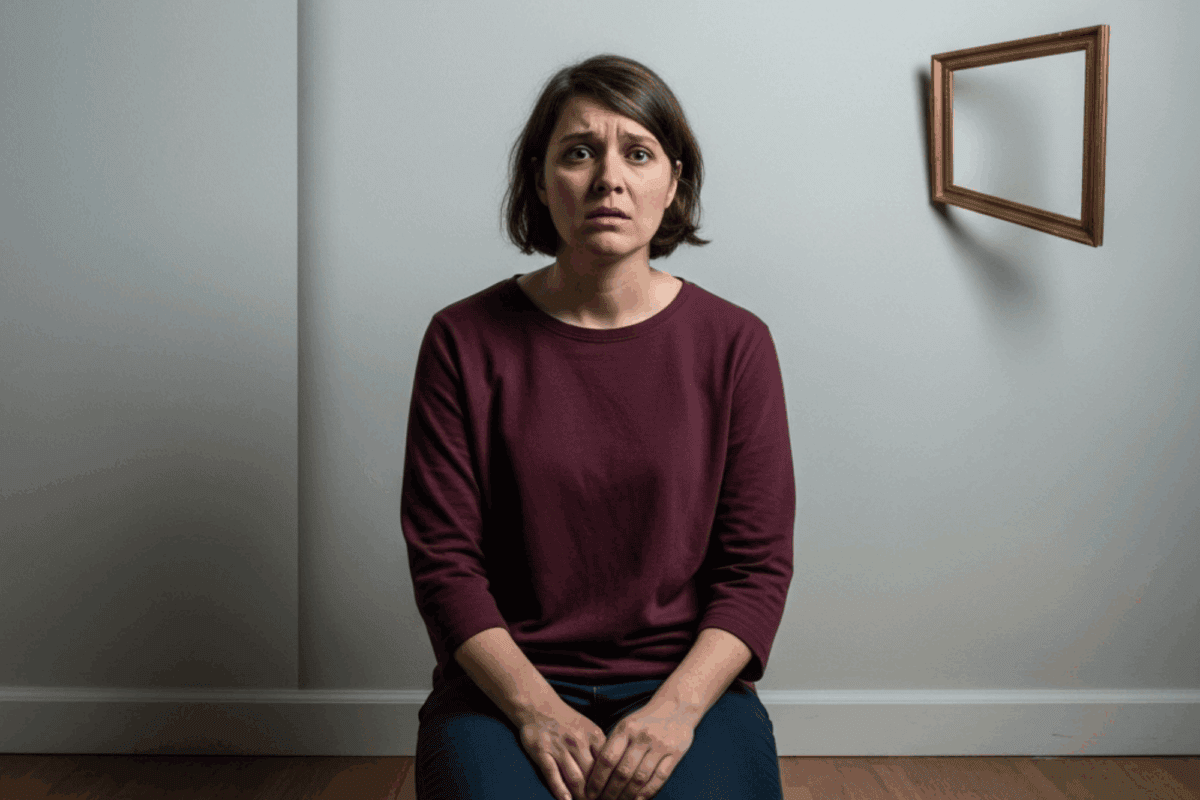
Symptoms Across the Schizophrenia Psychotic Disorders
The diagnostic criteria for schizophrenia require two or more symptoms, such as:
- Hallucinations occur (like hearing voices)
- Disorganized speech and disorganized thinking
- Prominent delusions or false beliefs
- Negative symptoms such as a lack of motivation or social withdrawal
- Inappropriate affect or limited facial expressions
These symptoms may appear in prodromal or residual symptoms, during active psychotic episodes, or as residual periods when the disorder’s intensity decreases.
Diagnosing Schizophrenia and Related Mental Health Disorders
Diagnosing schizophrenia involves a thorough evaluation by a mental health professional using the Diagnostic and Statistical Manual and medical history. Because schizophrenia spectrum disorders often overlap with other psychotic disorders or mental health conditions, proper diagnosis is key to creating an effective treatment plan.
Factors like substance use disorder, depressive or bipolar disorder, or schizoaffective disorder must be considered to ensure accurate diagnosis and to manage symptoms effectively.

Treating and Managing Schizophrenia
Although schizophrenia is a chronic mental health condition, it can be successfully managed with the right combination of treatment and support. At Revitalize Wellness Center, we specialize in providing personalized care that helps individuals reduce distressing symptoms, strengthen coping strategies, and improve overall quality of life.
Treatment often involves addressing both positive symptoms (such as delusions, hallucinations, or unusual perceptual experiences) and negative symptoms (such as lack of motivation, flat affect, or social withdrawal). These challenges can occur during prodromal or residual periods, when symptoms may feel less intense but still significantly affect daily functioning.
Our approach includes:
Antipsychotic Medications
Medications are often a cornerstone of treatment, helping to stabilize thought patterns, reduce hallucinations, and improve clarity. These medications can make it easier for individuals to engage in therapy and everyday life.
Therapy and Day Treatment Programs
At Revitalize, therapy is more than talk; it’s about building tools to manage symptoms like disorganized speech, inappropriate or bizarre postures, catatonic behavior, and emotional struggles. Through our day treatment and half-day treatment programs, clients receive structured, evidence-based therapies that provide consistent support while allowing flexibility for daily responsibilities.
Support for Co-Occurring Conditions
Many people with schizophrenia also face co-occurring challenges such as substance use or mood disorders. Our integrated care model ensures that these conditions are addressed alongside schizophrenia treatment, providing a holistic plan for long-term wellness.
Community and Family Support
We encourage connection with community resources, including organizations like the National Alliance on Mental Illness (NAMI). Revitalize also emphasizes family involvement, offering education and support so loved ones can better understand the types of schizophrenia, from catatonic schizophrenia to undifferentiated schizophrenia, and play a role in recovery.

A Path Toward Stability and Hope with Revitalize
Understanding the types of schizophrenia, from paranoid schizophrenia to residual schizophrenia, is the first step toward better care. Recognizing these mental health conditions ensures that people with schizophrenia receive an accurate diagnosis and the right treatment for their unique needs.
If you or someone you love is experiencing symptoms of schizophrenia such as hallucinations, disorganized thinking, or withdrawal from daily life, know that help is available. At Revitalize Wellness Center, we provide compassionate, research-based care through our day treatment and half-day treatment programs.
You don’t have to face this alone. Reach out to Revitalize Wellness Center today and take the first step toward stability, strength, and a healthier future.
Sources
Luvsannyam, E., Jain, M. S., Pormento, M. K. L., Siddiqui, H., Balagtas, A. R. A., Emuze, B. O., & Poprawski, T. (2022). Neurobiology of schizophrenia: A comprehensive review. Cureus, 14(4), e23959. https://doi.org/10.7759/cureus.23959
Regier, D. A., Kuhl, E. A., & Kupfer, D. J. (2013). The DSM-5: Classification and criteria changes. World Psychiatry, 12(2), 92–98. https://doi.org/10.1002/wps.20050
National Alliance on Mental Illness. (n.d.). Family members and caregivers. NAMI. Retrieved from https://www.nami.org/your-journey/family-members-and-caregivers/